Disclosure: This review may contain affiliate links. As an Amazon Associate, I earn from qualifying purchases—at no extra cost to you.
For businesses that rely on quick and accurate point-of-sale transactions, inventory management, or library checkouts, the barcode scanner is a silent workhorse. When evaluating a new scanning solution, the balance between cost, durability, and performance is critical. This analysis focuses on the Zebra LS2208-SR Barcode Laser Scanner, a corded 1D USB kit that positions itself as an enterprise-grade tool at an accessible price point. Rather than a review, this article provides a specification-based breakdown of the confirmed listing data to help you determine if this desktop scanner fits your operational needs.
📊 Quick Specifications Table
✨ Key Features
The confirmed features of this desktop scanner highlight a clear focus on usability, feedback, and operational efficiency. The listing emphasizes several core attributes that define the user experience.
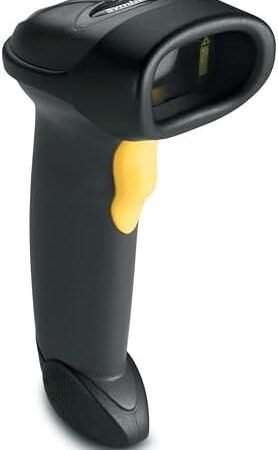
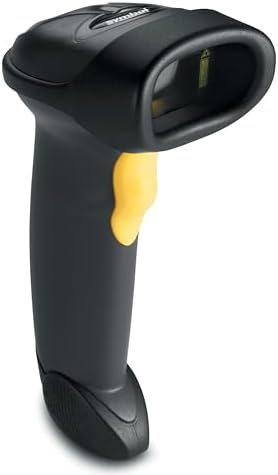
- User-Friendly Ergonomics: The design is described as ergonomic, durable, and lightweight. This combination is intended to support all-day comfort for operators who scan frequently, reducing fatigue during long shifts.
- Multi-Mode Feedback: Successful barcode capture can be indicated through a Direct Decode Indicator (a blinking laser line), a beep tone, a red/green LED indicator, or any combination of these three. This flexibility allows users to customize the feedback to suit their environment, whether it is a noisy retail floor or a quiet library.
- Extended Read Range: The scanner is configured to capture standard 13 mil UPC barcodes on items located over 25 inches away. This extended range improves productivity by allowing operators to scan items without needing to position them directly against the device.
- Out-of-the-Box Readiness: The unit is configured for instant use. The universal cable connects to various computing environments, which minimizes the time required for setup, configuration, and staff training.
- Economic Value: The LS2208 is positioned as a high-performance device at an economical price, aiming to maximize return on investment for businesses that require reliable scanning without premium costs.
🎨 Design and Build Considerations
Based on the confirmed specifications, the physical footprint of this desktop scanner is compact, measuring 3.3 inches in depth, 2.5 inches in width, and 6 inches in height. With a weight of 0.31 kg, it is light enough to be considered a portable handheld unit, yet it is traditionally used in a fixed position on a counter or desk. The “handheld corded” classification indicates that while it is designed to be picked up, it remains tethered to a host system via the included USB cable.
The build quality is described as “enterprise class” and “durable,” which suggests a construction intended to withstand the drops and bumps common in busy retail or warehouse environments. The ergonomic design language points to a grip shape that reduces strain, but specific material compositions or drop-test ratings are not confirmed in the provided data. Buyers should expect a utilitarian device built for function, with the lightweight nature contributing to ease of handling during high-volume scanning sessions.

⚡ Performance Expectations
Performance for a 1D laser scanner like this desktop unit is defined by its ability to read barcodes quickly and accurately under real-world conditions. The confirmed data highlights a specific capability: reading standard 13 mil UPC barcodes from a distance of over 25 inches. This “extra-long read range” is a significant productivity feature, as it allows cashiers or stock clerks to scan items without bending over a counter or reaching for a label.
The Direct Decode Indicator is another performance-related feature. This blinking laser line provides immediate visual confirmation that a barcode has been successfully read, which is beneficial in environments where audible beeps might be missed due to ambient noise. The combination of audible, visual, and LED feedback ensures that the operator is never left wondering if a scan registered.
It is important to note that while the scanner is specified for 1D barcodes, the listing does not confirm specific scan rates (scans per second), supported barcode symbologies beyond the mentioned UPC example, or decoding algorithms. The performance is therefore best understood as reliable for standard retail 1D labels, with the extended range being the standout confirmed capability.
⚖️ Pros and Cons
Pros
- Plug-and-Play Setup: The USB kit includes the cable and is configured for instant use, reducing IT involvement and downtime.
- Long Read Range: The ability to scan items from over 25 inches away enhances workflow speed and reduces physical strain.
- Customizable Feedback: Users can choose between laser blink, beep, LED, or a combination, adapting the device to their specific work environment.
- Ergonomic Form Factor: The lightweight and durable design supports comfortable all-day use.
- Enterprise Credibility: As a Zebra Technologies product, it comes from a brand known for rugged and reliable enterprise hardware.
Cons
- 1D Only: This scanner is limited to 1D barcodes. It will not read 2D codes like QR codes, which are increasingly common in modern retail and logistics.
- Corded Limitation: The USB cable tethers the device to a fixed location, which may not suit environments requiring full mobility.
- Specific Symbology Focus: While it handles standard UPC codes, the listing does not confirm support for all niche or proprietary 1D symbologies.
🆚 Comparison with Similar Products
In the broader category of barcode scanners, the LS2208 sits in a specific segment: the corded, entry-level enterprise device. Compared to budget consumer-grade scanners, this desktop unit offers a more durable build and a longer read range, which are critical for high-volume commercial use. The “enterprise class” designation suggests a longer operational lifespan compared to cheaper alternatives that may be designed for occasional home use.
When compared to more advanced 2D imagers, this scanner is simpler and generally more cost-effective for businesses that only process 1D barcodes. 2D imagers offer the flexibility to read QR codes and digital coupons from phone screens, but they come at a higher price point. For a business that only needs to scan standard product labels at a checkout counter, the 1D laser technology of the LS2208 is a focused and economical solution. The trade-off is future-proofing; a 2D imager would offer more versatility if the business expects to adopt QR-code-based systems in the future.
Check latest price and availability on Amazon

🛒 Buying Guide
Selecting the right barcode scanner involves assessing your specific operational environment and workflow. Here are key considerations based on the confirmed features of this desktop scanner.
Assess Your Barcode Types: The most critical question is whether your inventory or products use 1D or 2D barcodes. If your operation relies exclusively on standard 1D labels (UPC, EAN), this scanner is a suitable match. If you need to scan QR codes from customer phones or 2D labels from shipping carriers, you will need a different device.
Evaluate Your Workspace: Consider the physical layout of your checkout counter or workstation. The corded nature of this device means it must be placed within reach of a USB port. The compact dimensions (3.3″D x 2.5″W x 6″H) suggest it will not take up excessive counter space, but you should verify that the cable length is sufficient for your setup.
Consider Operator Comfort: For staff who scan hundreds of items per shift, the ergonomic design and lightweight build are significant factors. The extended read range (over 25 inches) also reduces the need for repetitive reaching and lifting, which can help mitigate fatigue.
Determine Feedback Needs: Think about the noise level of your environment. In a loud warehouse, an audible beep might be insufficient. The ability to configure the Direct Decode Indicator (blinking laser) or the red/green LED ensures that operators get the confirmation they need regardless of ambient noise.
✅ Key Things to Verify Before Buying
While the confirmed listing data provides a solid overview, there are several details that you should verify on the Amazon product page before making a purchase decision to ensure compatibility with your specific system.
- Operating System Compatibility: The listing mentions a “universal cable” that connects to “any computing environment,” but you should verify that the included USB kit is compatible with your specific POS system, operating system (Windows, macOS, Linux), and software interface.
- Supported Barcode Symbologies: While the scanner reads 1D barcodes and specifically mentions 13 mil UPC, you should check the full list of supported symbologies to ensure it includes the specific label types used in your industry (e.g., Code 128, Code 39, EAN-13).
- Cable Length: The listing confirms a USB cable is included, but the exact length is not specified. Verify the cable length to ensure it reaches your host device without requiring an extension.
- Warranty and Support: Check the Amazon listing for warranty information and manufacturer support options. Zebra typically offers standard warranties, but the specific terms for this model should be confirmed.
- Mounting Options: The listing describes this as a handheld device. If you intend to use it in a fixed position, check if a separate stand or holder is included or if you need to purchase one separately.
❓ Frequently Asked Questions
What types of barcodes can this scanner read?
This is a 1D laser scanner. It is confirmed to read standard 13 mil UPC barcodes. For a complete list of supported 1D symbologies (such as Code 128 or Code 39), you should refer to the full specifications on the Amazon listing.
Is the USB cable included in the box?
Yes, the product title specifies “USB Cable Included,” and the listing confirms this is a “USB Kit.” This means the necessary cable to connect the scanner to a host device is part of the package.
Does this scanner read QR codes or 2D barcodes?
No. The confirmed data specifies that this is a 1D scanner. It is designed for traditional linear barcodes and will not read 2D codes such as QR codes or Data Matrix codes.
How does the Direct Decode Indicator work?
The Direct Decode Indicator is a visual feedback mechanism where the laser line blinks to confirm a successful scan. This can be used alone or in combination with a beep tone and a red/green LED indicator, depending on user preference.
Is this scanner ready to use immediately after unboxing?
According to the listing, the scanner is “configured for instant use” and features a universal cable that connects to various computing environments. This is intended to minimize setup and configuration time.
What is the read range for standard barcodes?
The listing confirms that this scanner can capture everyday 13 mil UPC barcodes on items that are over 25 inches away. This extended range is designed to improve productivity and the checkout experience.
🏁 Final Verdict
The Zebra LS2208-SR Barcode Laser Scanner presents a compelling option for businesses that need a reliable, corded 1D scanning solution without unnecessary complexity. Its strengths lie in its confirmed ergonomic design, the practical benefit of an extended read range, and the flexibility of multi-mode feedback. The “ready to use out of the box” configuration is a significant advantage for operations that cannot afford lengthy setup times or extensive staff training.
This desktop scanner is best suited for retail checkout counters, small to medium-sized inventory management, and library or office environments where scanning standard 1D labels is the primary task. The economical positioning, combined with the durability associated with the Zebra brand, suggests a strong focus on return on investment for cost-conscious buyers.
However, the limitation to 1D symbologies is a critical consideration. In an era where QR codes are becoming ubiquitous, this device is a specialized tool rather than a universal solution. Buyers must be certain that their current and near-future scanning needs do not require 2D capability. For those who have confirmed their workflow is strictly 1D, the LS2208 offers a professional, feature-rich, and practical solution that aligns well with the demands of daily commercial use.
Check latest price and availability on Amazon